How Often Chimneys Should Be Inspected And Cleaned
To ensure safety and efficiency, local contractors can help determine how often chimneys should be inspected and cleaned based on your usage and condition.
If you own a property that features a chimney, understanding how often chimneys should be inspected and cleaned is essential for maintaining safety and efficiency. Regular inspections help identify potential issues early, preventing costly repairs and reducing the risk of fire hazards. Local contractors specializing in chimney services can assess your specific situation, taking into account factors like usage frequency, type of fuel, and age of the chimney to recommend appropriate maintenance schedules. Keep reading to learn practical tips on keeping your chimney in top condition and discover how trusted service providers can assist with inspections and cleaning.
Property owners in the area often explore this topic to ensure their homes remain safe and functional throughout the year. Whether a chimney is used frequently during colder months or only seasonally, routine inspections and cleanings are vital for optimal performance. Local service providers are equipped to handle these tasks, offering professional assessments that help extend the lifespan of your chimney while safeguarding your home. Continue exploring to understand the recommended inspection and cleaning intervals, and see how connecting with experienced local contractors can support your maintenance efforts.
- Chimney Inspection - homeowners who use their fireplace frequently should have their chimneys inspected regularly to ensure safety and proper function, with local contractors providing thorough assessments.
- Chimney Cleaning - after a season of heavy use or if there are signs of soot buildup, local service providers can perform cleaning to prevent fire hazards and improve airflow.
- Routine Chimney Maintenance - property owners planning to use their fireplace seasonally or occasionally may need inspections to determine if cleaning is necessary before each use.
- Pre-Season Chimney Check - before the start of colder months, local pros can inspect and clean chimneys to prepare them for safe, efficient operation during winter.
- Post-Repair Inspection and Cleaning - following repairs or renovations, local contractors can verify that the chimney is safe and properly cleaned to meet recommended inspection and cleaning intervals.
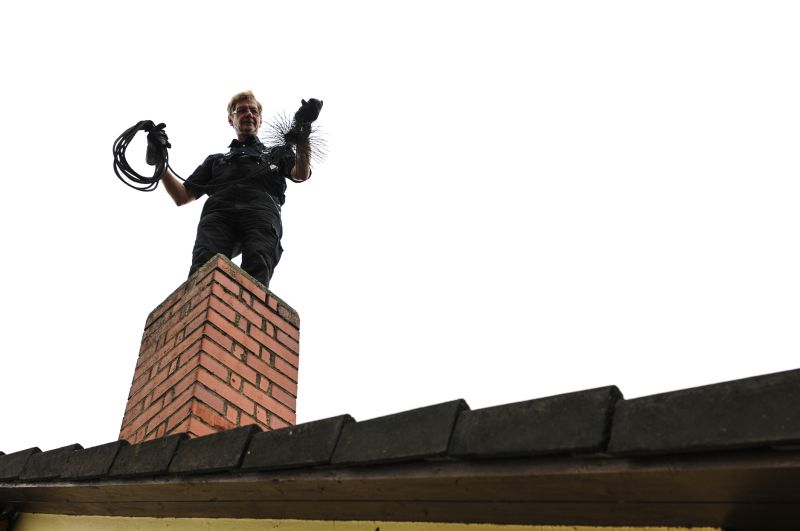
When people search for how often chimneys should be inspected and cleaned, they are typically trying to determine a maintenance schedule that ensures safety, efficiency, and proper operation of their fireplaces or heating systems. This interest often arises from concerns about fire hazards caused by creosote buildup, blockages, or damage that can compromise the chimney’s function. Homeowners may also be planning routine upkeep or preparing for seasonal use, especially before winter months when fireplaces see more frequent use. Understanding the recommended inspection and cleaning intervals helps prevent costly repairs, avoid dangerous conditions, and maintain the longevity of the chimney system.
The topic is closely related to common problems such as creosote accumulation, obstructions like bird nests or debris, and structural issues like cracks or deterioration. These issues can lead to increased fire risk, poor venting, or smoke backups inside the home. Many property owners consider inspections and cleanings as part of their ongoing maintenance plans, especially if they have experienced previous problems or have a fireplace that is used regularly. Additionally, those planning renovations or upgrades to their heating systems often consult local contractors to ensure their chimneys are in good condition and meet safety standards, which can involve scheduled inspections and cleanings.
Properties that typically come up in discussions about how often chimneys should be inspected and cleaned include single-family homes, especially those with wood-burning fireplaces or stoves, as well as multi-unit residential buildings. Homes with older chimneys or those in areas with high levels of pollution or tree cover may require more frequent attention. Commercial properties with large fireplaces or industrial chimneys also fall into this category, often needing tailored maintenance schedules based on usage and type of fuel. Regardless of property size or type, regular inspections by experienced service providers help identify potential issues early, ensuring the chimney operates safely and efficiently.
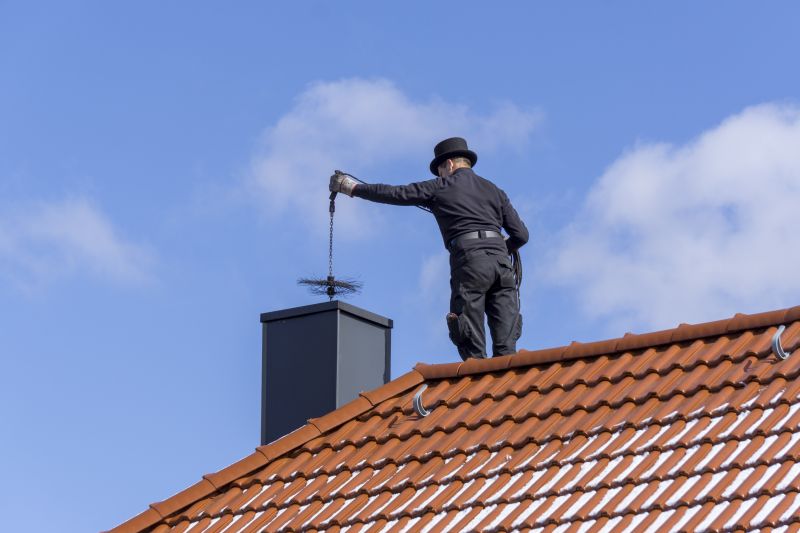
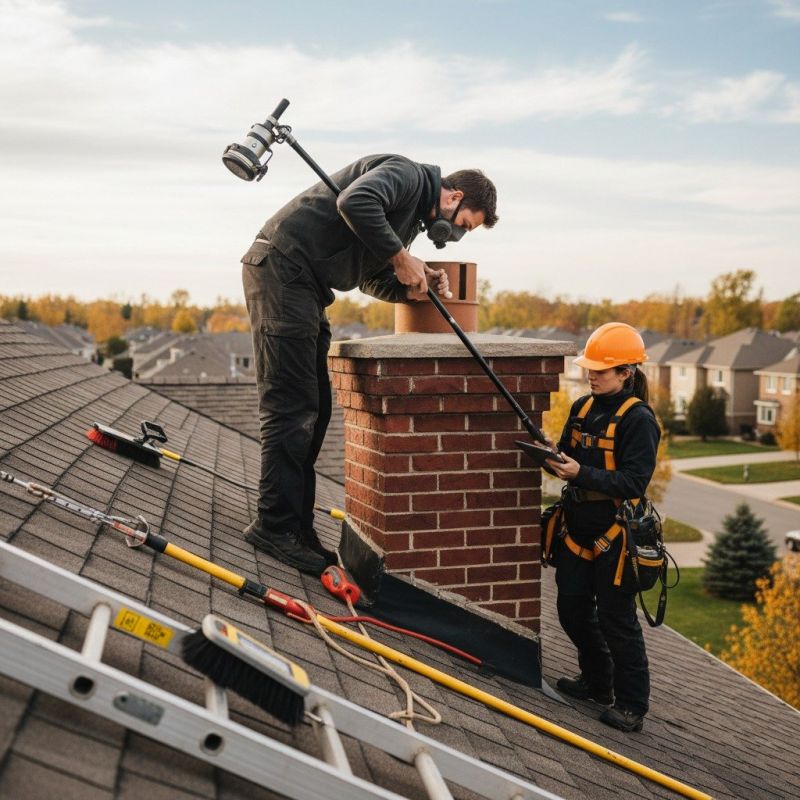
Local chimney inspection and cleaning service providers play a vital role in helping property owners maintain proper chimney care. They assess the condition of the chimney, remove built-up creosote, clear obstructions, and perform necessary repairs or maintenance. Many homeowners rely on these professionals to establish an appropriate inspection and cleaning schedule based on their specific property, usage patterns, and local conditions. Connecting with reputable service providers ensures that inspections are thorough, and any problems are addressed promptly, reducing the risk of fire or damage. Regular professional assessments are a practical step in maintaining a safe, efficient, and reliable chimney system for any property.
Chimney Repair Projects - These projects involve assessing and fixing damage to chimneys, requiring similar inspection skills to identify issues that could affect safety and performance.
Fireplace Installation Services - Installing new fireplaces or upgrading existing ones involves planning and understanding venting systems, aligning closely with chimney inspection and cleaning routines.
Flue Liner Replacement - Replacing or repairing flue liners demands knowledge of chimney structure and proper planning, making it comparable to regular chimney maintenance work.
Venting System Upgrades - Upgrading venting systems for appliances requires inspection and planning skills similar to those used in chimney inspections to ensure proper operation.
Storm Damage Restoration - Repair projects following storm damage to roofs or chimneys involve assessment and planning skills akin to those used in chimney inspection services.
Attic Insulation Projects - Improving or replacing attic insulation involves assessing venting and airflow, which relates to understanding chimney and venting systems during inspections.
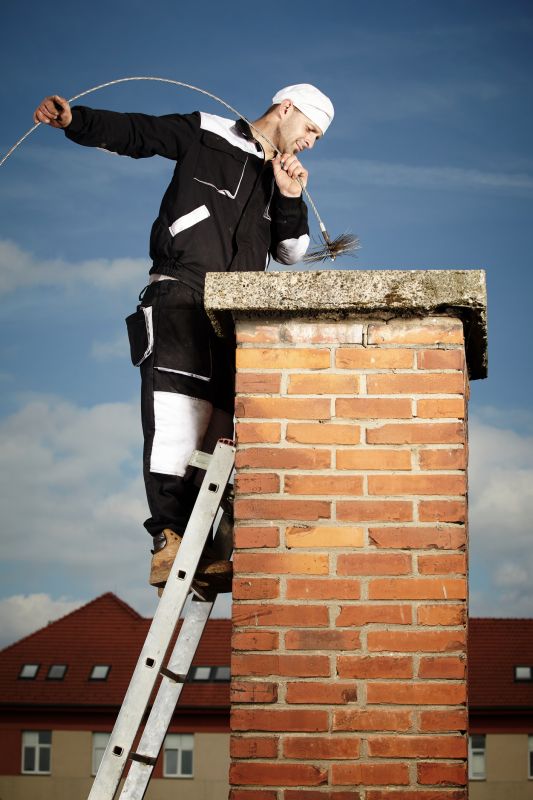
When comparing local contractors for chimney inspection and cleaning services, it’s important to consider their experience with similar projects. Homeowners should seek out service providers who have a proven track record of handling chimney inspections and cleanings, especially in homes with similar fireplace types or usage patterns. An experienced contractor is more likely to understand the nuances of different chimney systems and provide thorough assessments that address potential issues before they become costly problems. This background can help ensure that the work is performed efficiently and effectively, aligning with the recommended frequency for inspections and cleanings based on your specific needs.
Clear written expectations are essential when evaluating potential service providers. Homeowners should look for contractors who provide detailed descriptions of what their inspection and cleaning services include, as well as the recommended intervals for these tasks. Transparent communication about scope, process, and what homeowners can expect helps prevent misunderstandings and ensures that the work aligns with the appropriate maintenance schedule. Establishing these expectations upfront can make it easier to compare different contractors and choose the one that best matches the homeowner’s needs for maintaining a safe and efficient chimney system.
Reputable references and good communication are key factors to consider when selecting local pros for chimney services. Homeowners can benefit from reviews or references that speak to the contractor’s reliability, quality of work, and professionalism. Additionally, a contractor who communicates clearly and promptly can help answer questions about how often chimneys should be inspected and cleaned, as well as explain the importance of regular maintenance. Reliable communication ensures that homeowners stay informed and confident about the service recommendations, making it easier to maintain their chimney systems in accordance with best practices.
Property owners often search for how often chimneys should be inspected and cleaned when they are planning practical projects around their homes and businesses. Local pros provide Chimney Inspection and Cleaning services for everyday jobs and straightforward project options.
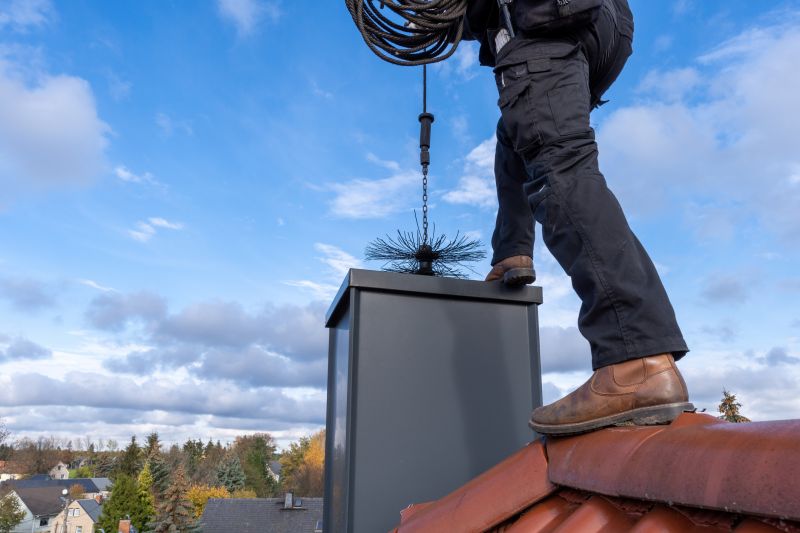
For many property owners in the area, understanding how often chimneys should be inspected and cleaned is a key part of maintaining a safe and efficient fireplace or stove. Regular inspections are typically recommended once a year, especially for homes that are used frequently during colder months. This helps identify any buildup of creosote, blockages, or damage that could pose fire hazards or reduce the chimney’s performance. When it comes to cleaning, local contractors often suggest scheduling this service as needed, which might be more frequent if the chimney is used heavily or if there are signs of soot or debris buildup.
Homeowners who rely on their fireplaces or wood stoves might look into chimney inspection and cleaning services to ensure their systems operate safely and efficiently. Local service providers can assess the condition of the chimney, remove any obstructions, and clean away creosote or other residues that accumulate over time. Regularly scheduled inspections and cleanings can help prevent fires, improve airflow, and extend the lifespan of the chimney. Consulting with experienced local contractors can provide guidance tailored to the specific needs of each property and usage pattern.
How often should chimneys be inspected? It is generally recommended to have chimneys inspected annually to ensure safety and proper functioning. Local contractors can perform thorough inspections to identify potential issues early.
How frequently should chimneys be cleaned? Chimneys should typically be cleaned at least once a year, especially if used regularly, to remove creosote buildup and prevent fire hazards. Service providers can schedule cleanings based on usage.
Are there specific circumstances that require more frequent inspections? Yes, chimneys used heavily, or those that have experienced damage or blockages, may need inspections more often. Local service providers can advise on the appropriate frequency for individual situations.
What signs indicate a chimney needs cleaning or inspection? Signs include smoke backup, strong odors, or soot around the fireplace. A professional inspection can confirm if cleaning is necessary to maintain safety and efficiency.
Can inspections and cleanings be combined? Yes, many local contractors offer combined services to ensure chimneys are both inspected and cleaned during the same visit, promoting optimal performance and safety.
Regular Inspection Scheduling - property owners can plan routine inspections based on how often chimneys should be inspected and cleaned, ensuring safety and efficiency with help from local contractors.
Seasonal Cleaning Tips - understanding the recommended frequency for chimney cleaning encourages property owners to schedule services before and after heavy usage periods with local pros.
Monitoring Chimney Condition - by assessing signs of buildup or damage, property owners can determine when to seek professional inspection and cleaning services from local contractors.
Maintaining Fireplace Safety - knowing how often chimneys should be inspected and cleaned helps owners keep their fireplaces safe and operational, with local pros providing necessary maintenance.
If you are thinking about how often chimneys should be inspected and cleaned for a property, this guide is meant to help you understand this topic, the typical project types, and how different options might fit your plans.
When you are ready, you can use the quote form on this page to share a few details about your project. From there, local pros can review the basics and follow up with options that match what you have in mind.