Common Chimney Problems Found During Inspections
Homeowners seeking chimney inspections can rely on local contractors to identify common chimney problems found during inspections and ensure safe, efficient operation.
Homeowners in the area who rely on their chimneys for warmth and comfort often find it helpful to understand the common problems that can be uncovered during routine inspections. Identifying issues such as creosote buildup, cracked or damaged flue liners, and obstructions early can prevent more serious complications down the line. Property owners who are considering a chimney inspection may want to explore these common concerns to ensure their system operates safely and efficiently throughout the seasons. Local contractors specializing in chimney services are equipped to assess these problems thoroughly, providing peace of mind and helping maintain the integrity of the chimney structure.
Understanding what to look for during an inspection can also motivate property owners to schedule regular checkups with experienced service providers. Recognizing signs of deterioration or damage can be crucial for preventing potential hazards, like fire risks or indoor air quality issues. By working with trusted local contractors, homeowners can gain insights into the typical challenges found during inspections and how those issues are addressed. Keeping informed about common chimney problems ensures that property owners stay proactive in maintaining a safe and functional chimney system year-round.
- Chimney Crown Damage - homeowners may need this service when cracks or deterioration are visible during an inspection, and local contractors can repair or replace damaged crowns to prevent further issues.
- Creosote Buildup - during inspections, excessive creosote accumulation can be identified as a fire hazard, and local pros can clean chimneys to reduce risk.
- Brick and Masonry Problems - signs of crumbling mortar or cracked bricks found during inspections often require expert repair from local contractors to maintain chimney stability.
- Chimney Blockages - inspections may reveal obstructions like debris or animal nests, and local service providers can clear blockages to ensure safe operation.
- Flue Liner Damage - issues such as cracks or deterioration in the flue liner are detected during inspections, with local pros capable of repairing or replacing liners to improve safety.
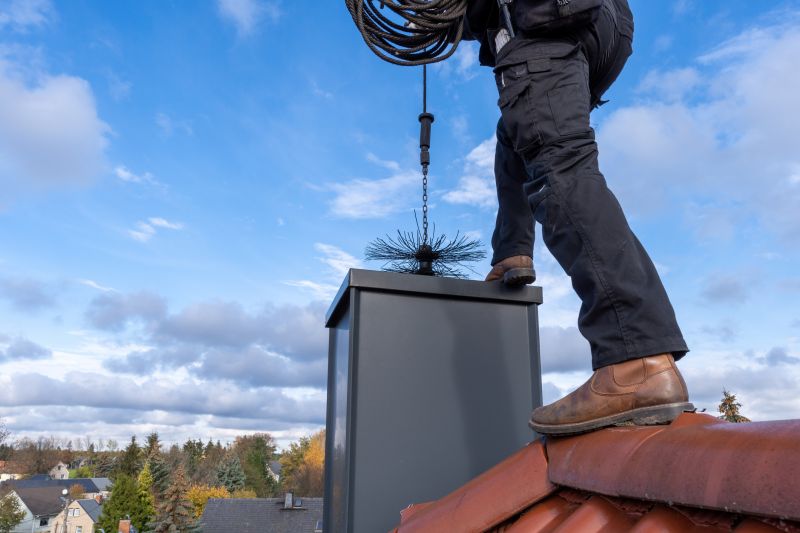
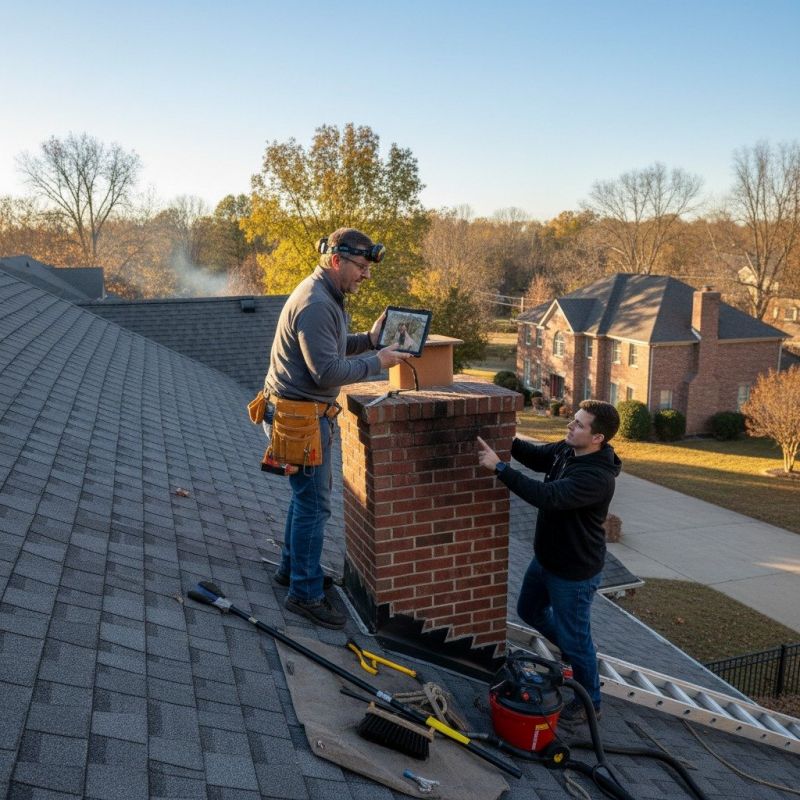
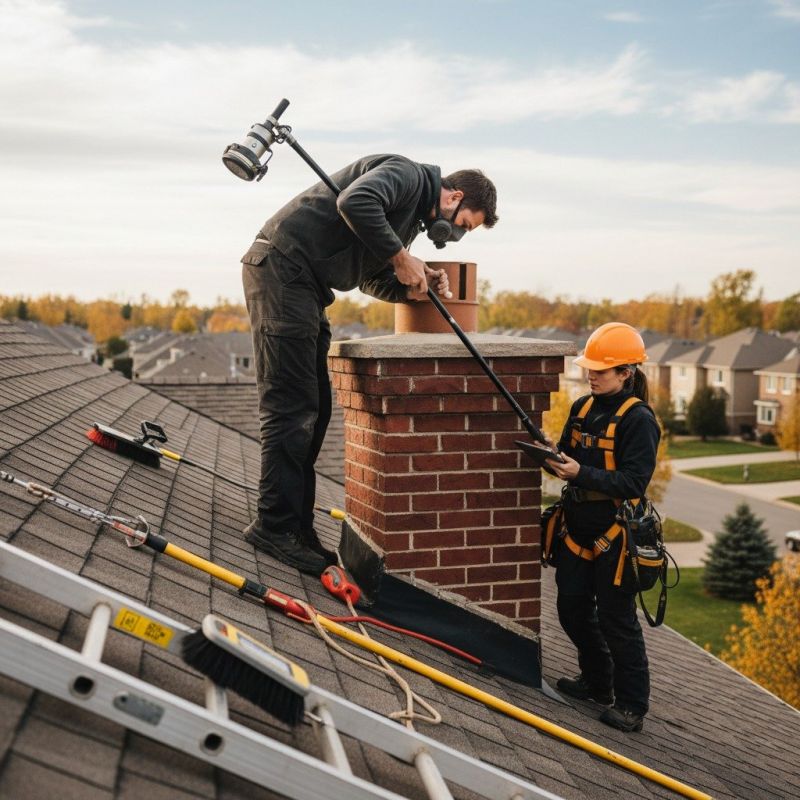
Common chimney problems found during inspections often stem from age, weather exposure, and usage patterns. Over time, masonry can develop cracks, which may allow moisture to seep in and cause further deterioration. This can weaken the structure and lead to more serious issues if not addressed promptly. Additionally, creosote buildup inside the flue is a common concern that can increase the risk of chimney fires. Inspections help identify these issues early, ensuring that repairs or cleaning can be scheduled before problems escalate, especially in properties where fireplaces or wood stoves are regularly used.
Many of the issues uncovered during chimney inspections relate to blockages or obstructions that hinder proper venting. Items such as nests, debris, or even fallen bricks can obstruct airflow, leading to inefficient burning and potential smoke backups inside the home. In some cases, animal intrusion is a concern, with critters entering the chimney chase and creating nests or damage. These problems are particularly common in older homes or properties with unused chimneys. Recognizing these issues during an inspection allows homeowners to plan repairs or cleaning with local contractors who specialize in chimney services.
The types of properties where common chimney problems are frequently found include single-family homes, historic houses, and properties with multiple fireplaces or wood-burning appliances. Older homes are often more susceptible to structural issues like cracked liners or deteriorated mortar joints due to prolonged exposure to the elements. Homes in regions with harsh winters or high humidity may experience more frequent moisture-related problems. Regardless of property type, regular inspections are essential for maintaining safe and efficient chimney operation, with local service providers equipped to handle the specific needs of each property.
Understanding common chimney problems found during inspections helps homeowners connect the dots between potential hazards and the importance of professional assessments. Many issues, such as cracked liners or creosote buildup, require specialized knowledge and tools to diagnose and repair. Local chimney inspection service providers play a vital role in identifying these issues early, providing options for repairs or maintenance that keep the chimney functioning safely. By scheduling routine inspections, property owners can address problems before they lead to costly repairs, ensuring their fireplaces and heating systems operate efficiently and safely.
Chimney Repair Projects - These projects often involve identifying and fixing structural issues, similar to inspecting for common chimney problems found during inspections.
Flue Liner Replacement - Replacing or repairing flue liners requires understanding of chimney systems and the tools used during inspections to detect damage or deterioration.
Chimney Cap Installation - Installing caps to prevent water intrusion and debris buildup aligns with inspection skills used to spot potential damage in chimney components.
Masonry Restoration - Restoring or repointing brickwork involves planning and assessment skills similar to those used in identifying deterioration during inspections.
Waterproofing Services - Applying waterproofing treatments to prevent moisture damage relates to inspecting for leaks and water-related issues in chimneys.
Chimney Sweeping and Cleaning - These services require familiarity with chimney systems and tools, paralleling the skills used during inspections to identify common problems.
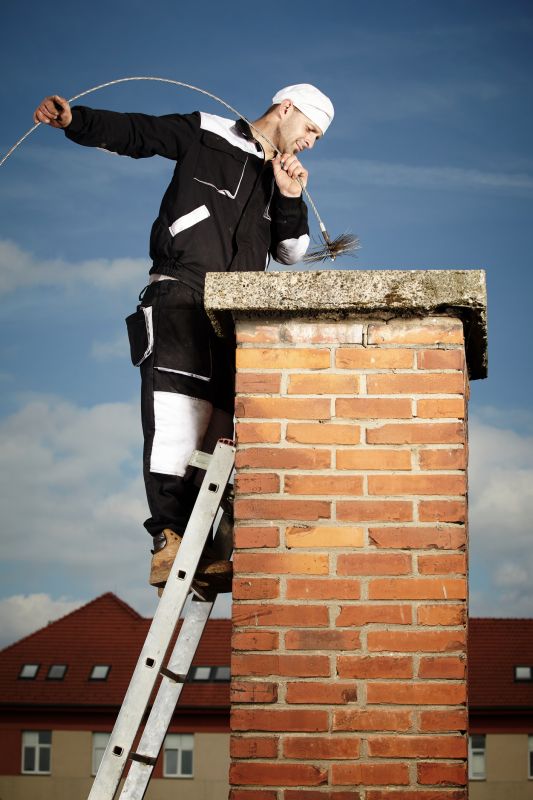
When comparing service providers for chimney inspections, it is important to consider their experience with similar projects. Homeowners should look for local contractors who have a proven track record of identifying and addressing common chimney problems found during inspections. A contractor’s familiarity with issues such as creosote buildup, cracked flue liners, or damaged chimney crowns can indicate their ability to thoroughly evaluate the condition of a chimney and recommend appropriate repairs or maintenance. Asking for references or examples of past work can help gauge their expertise and confidence in handling similar inspection needs.
Clear written expectations are essential when evaluating chimney inspection services. Homeowners should seek providers who communicate what the inspection will cover, including specific areas of concern related to common chimney problems. Detailed service descriptions help ensure there are no misunderstandings about the scope of work and what will be inspected or tested. This clarity allows homeowners to compare different service providers effectively and choose those who offer comprehensive evaluations tailored to the unique features of their chimney system.
Good communication and reputable references are critical factors in selecting a reliable local contractor. Service providers who are transparent about their process, willing to answer questions, and provide clear guidance demonstrate professionalism and a commitment to customer service. Additionally, seeking out references or reviews from previous clients can offer insights into the contractor’s reliability, quality of work, and ability to handle common chimney problems found during inspections. These aspects help homeowners make informed decisions and connect with local pros who are equipped to deliver thorough, dependable chimney inspection services.
Property owners often search for common chimney problems found during inspections when they are planning practical projects around their homes and businesses. Local pros provide Chimney Inspection services for everyday jobs and straightforward project options.

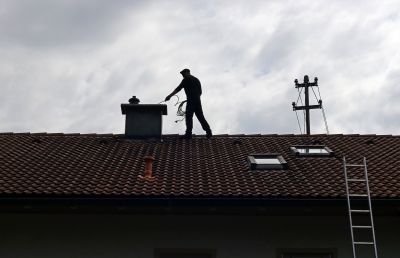
Many property owners in the area seek information about common chimney problems found during inspections to better understand potential issues with their fireplaces and heating systems. During routine evaluations, inspectors often identify issues such as cracked or deteriorated chimney crowns, which can lead to water intrusion and further damage if not addressed promptly. Other frequent findings include creosote buildup, which increases the risk of chimney fires, and damaged or missing mortar joints that compromise the overall stability of the chimney structure. Recognizing these common problems can help homeowners decide when to seek professional chimney inspection services to ensure safety and proper functioning.
Understanding typical issues uncovered during chimney inspections can also help property owners prevent costly repairs down the line. Local contractors regularly find problems like damaged flue liners, which can cause dangerous gases to escape into the home, or obstructions such as animal nests and debris blocking proper ventilation. Additionally, signs of rust or corrosion on metal components may indicate the need for repairs or replacements. When these common chimney problems are identified early by experienced service providers, homeowners can take proactive steps to maintain their chimneys and keep their homes safe and efficient.
What are common chimney problems found during inspections? Common issues include creosote buildup, cracked or damaged chimney crowns, deteriorated mortar joints, and obstructions like debris or animal nests.
How does creosote buildup affect chimney safety? Creosote accumulation can increase the risk of chimney fires and reduce ventilation, making regular inspections essential for safety.
What signs indicate a damaged chimney crown? Visible cracks, crumbling edges, or water leaks around the top of the chimney are typical signs of crown damage that local contractors can assess and repair.
Why are deteriorated mortar joints a concern during inspections? They can lead to structural instability, allow water intrusion, and cause further damage if not properly repaired by experienced service providers.
What types of obstructions are commonly found during chimney inspections? Debris, animal nests, and soot blockages are frequent obstructions that can impair proper venting and require professional removal.
Creosote buildup - Regular inspections can identify creosote deposits that may pose fire hazards, helping property owners plan for safe chimney cleaning with local contractors.
Cracked or damaged masonry - Detecting cracks during inspections allows homeowners to schedule repairs that prevent further deterioration and improve chimney safety.
Blockages or obstructions - Identifying obstructions like debris or animal nests enables prompt removal by local pros to ensure proper venting and airflow.
Damaged flashing and seals - Recognizing compromised flashing or seals during inspections helps property owners arrange for repairs that prevent water leaks and structural issues.
If you are thinking about common chimney problems found during inspections for a property, this guide is meant to help you understand this topic, the typical project types, and how different options might fit your plans.
When you are ready, you can use the quote form on this page to share a few details about your project. From there, local pros can review the basics and follow up with options that match what you have in mind.