Chimney Sweeping And Fire Safety Explained
Chimney sweeping and fire safety explained involves removing soot and creosote buildup to prevent fires, with local contractors ready to help ensure your home’s safety.
Understanding chimney sweeping and fire safety is essential for property owners looking to maintain a safe and efficient home. Whether you own a historic fireplace or a modern stove, regular chimney maintenance helps prevent the buildup of creosote and debris that can pose fire hazards. Exploring this topic provides practical insights into how proper chimney care can protect your property and loved ones, especially during colder months when fireplaces see increased use. Local contractors who specialize in chimney sweeping can offer tailored services to keep your chimney functioning safely and effectively, making it easier to enjoy your fireplace with peace of mind.
For property owners in the area, staying informed about fire safety related to chimneys is a proactive step in safeguarding homes and investments. Understanding the importance of routine chimney inspections and cleaning can help identify potential issues before they become costly problems. Many local service providers offer comprehensive chimney sweeping and related fire safety solutions, ensuring that your system remains clear and safe. Keeping this knowledge in mind encourages ongoing maintenance and helps connect homeowners with trusted experts who can handle the work efficiently and reliably.
- Chimney sweeping services are essential when homeowners notice soot buildup or reduced fireplace efficiency, with local contractors carefully removing creosote and debris to promote fire safety.
- Fire safety inspections often include chimney cleaning to identify potential hazards, and local pros approach this by thoroughly assessing and cleaning chimneys to prevent fire risks.
- Annual chimney maintenance is recommended for those with regular fireplace use, with local service providers offering comprehensive cleaning to ensure safe operation.
- Emergency chimney cleaning may be needed if blockages or obstructions are suspected, with local contractors quickly addressing issues to minimize fire hazards.
- Chimney repair and restoration services are provided when damage or deterioration affects fire safety, with local experts restoring chimneys to meet safety standards.
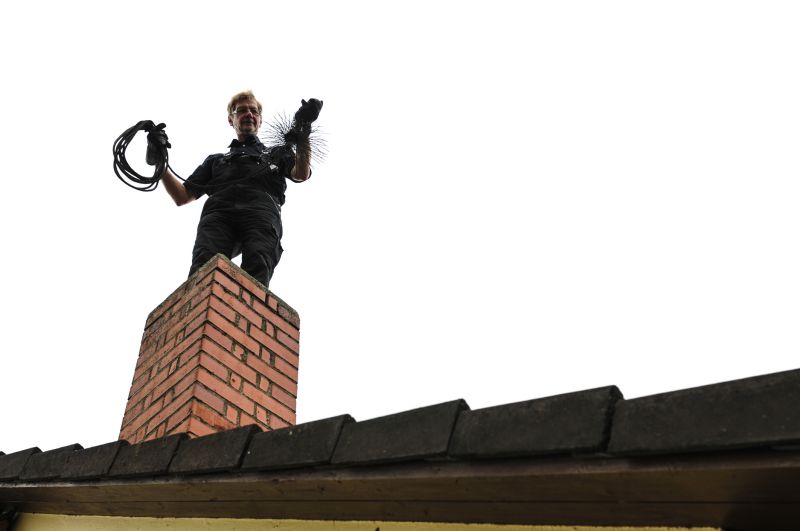
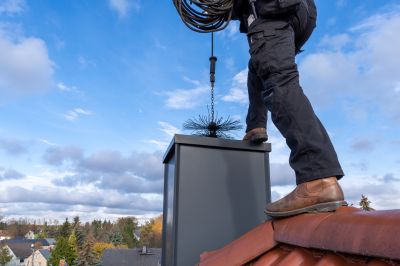
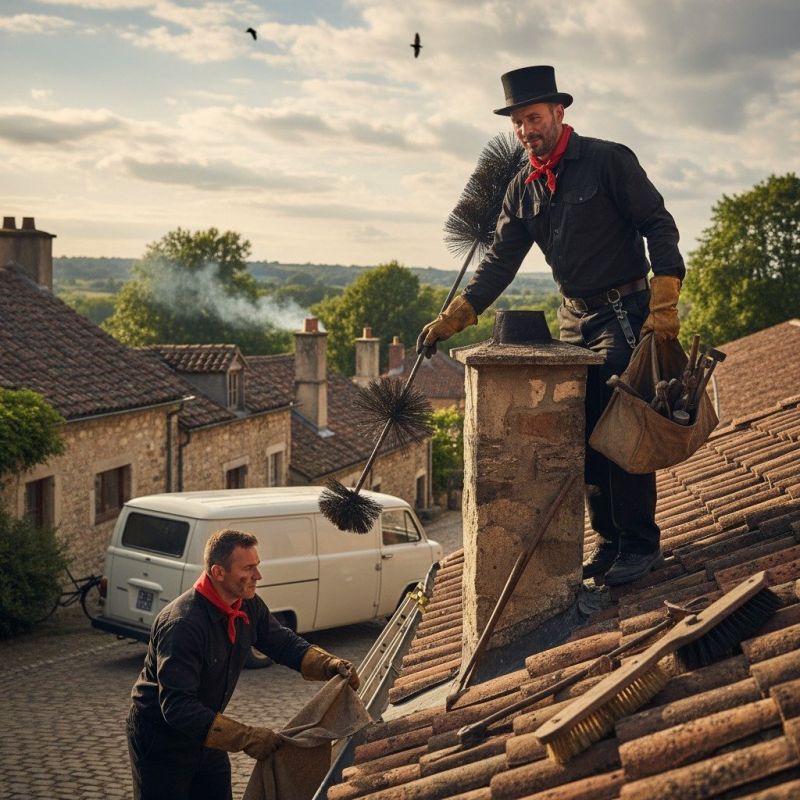
Chimney sweeping and fire safety explained often comes up when homeowners are considering the upkeep of their fireplaces, wood stoves, or heating inserts. Many people search for this topic to better understand how regular chimney cleaning can reduce the risk of fires caused by creosote buildup, blockages, or debris. It’s also common for homeowners to want information on how chimney maintenance contributes to overall safety, efficiency, and proper operation of their heating appliances. When exploring this subject, individuals are often planning routine inspections, emergency preparedness, or upgrades to their heating systems, and they look for trusted local contractors to handle these important tasks.
The problems associated with neglecting chimney sweeping and fire safety are primarily centered around the risk of chimney fires, smoke damage, and indoor air quality issues. Blockages caused by bird nests, leaves, or soot can lead to dangerous smoke backups or carbon monoxide leaks. Additionally, creosote-a highly combustible substance that accumulates during wood burning-can ignite if not regularly removed. Many plans related to this topic involve scheduling annual or seasonal inspections to prevent problems before they develop or addressing specific concerns like foul odors, excessive smoke, or visible soot on chimney interiors. These projects are often part of broader home safety or renovation efforts, emphasizing the importance of professional service providers who understand how to keep chimneys safe and functioning properly.
The types of properties that typically come up in discussions about chimney sweeping and fire safety include single-family homes, especially those with traditional wood-burning fireplaces or stoves. Older houses with masonry chimneys are common candidates for regular cleaning and inspections due to their construction, which can accumulate more debris over time. Additionally, rural or semi-rural properties, where wood heating is more prevalent, frequently require ongoing chimney maintenance. Some homeowners with newer or manufactured fireplaces also seek out local pros for routine cleaning or safety checks. Overall, this topic covers a wide range of residential properties, with the common goal of ensuring safe, efficient operation of heating appliances and reducing fire hazards.
For homeowners exploring chimney sweeping and fire safety, understanding how local service providers fit into the process is key. These professionals are equipped to perform thorough cleanings, inspections, and minor repairs that help maintain safe chimney operation. They can identify potential issues like cracks, deterioration, or blockages that could pose fire risks or affect airflow. Many property owners rely on these experts to provide ongoing maintenance, especially before the heating season begins or after significant weather events. Connecting with trusted local contractors ensures that the work is done properly, helping homeowners uphold safety standards and enjoy their fireplaces or stoves with peace of mind.
Fireplace installation - professionals who install fireplaces often have experience with chimney systems and fire safety measures, making their services relevant to chimney sweeping and fire safety explained.
Ventilation system services - installing or maintaining ventilation systems requires knowledge of airflow and safety protocols similar to those used in chimney maintenance and fire prevention.
Home inspection services - inspectors assess potential fire hazards related to chimneys, venting, and flues, aligning closely with the safety aspects of chimney sweeping and fire safety explained.
Gas appliance servicing - technicians who service gas appliances are familiar with combustion safety and venting systems, which are key components in fire safety and chimney care.
Fireplace repair and restoration - contractors specializing in fireplace repairs often address issues related to chimney integrity and safety, supporting fire safety education and chimney maintenance.
Duct cleaning services - cleaning ductwork involves similar tools and planning as chimney sweeping, focusing on removing blockages and ensuring safe airflow to prevent fire risks.
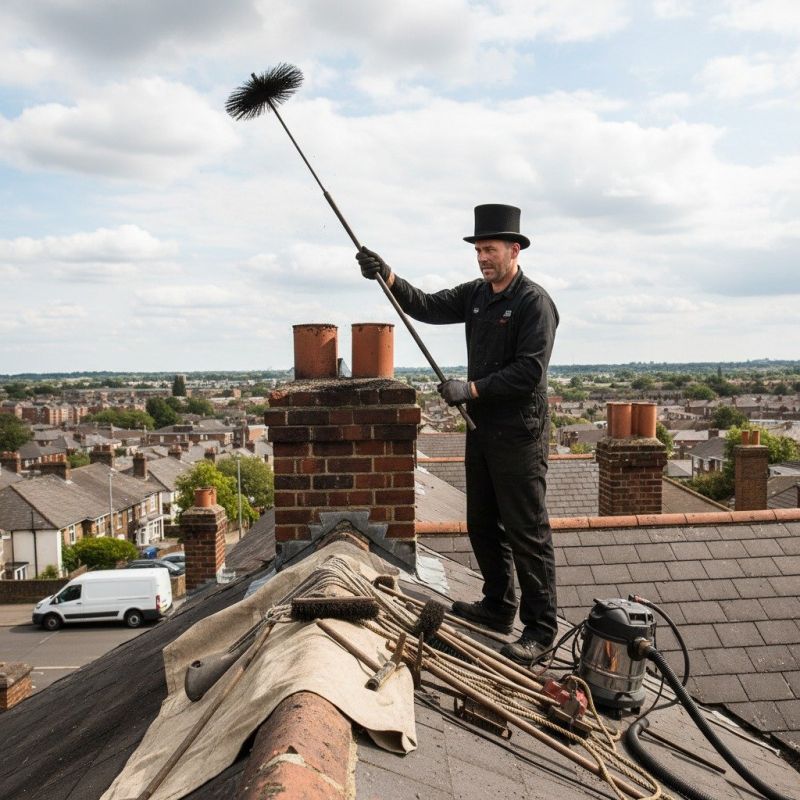
When comparing service providers for chimney sweeping and fire safety, it’s important to consider their experience with similar projects. A contractor with a proven track record handling chimney cleaning and safety inspections can provide confidence that they understand the complexities involved in maintaining a safe and efficient fireplace or stove. Asking about the types of systems they’ve serviced and how long they’ve been working in the field can help identify those with relevant expertise, reducing the risk of overlooked issues that could impact fire safety.
Clear, written expectations are essential when choosing a chimney sweeping service. A reputable contractor should be able to explain what the job will entail, including the steps involved in cleaning and safety checks, as well as any recommendations for ongoing maintenance. Having these details in writing helps ensure that both parties are aligned on what will be done, avoiding misunderstandings and ensuring the work meets safety standards.
Reputable references and good communication are also key factors to consider. Service providers with positive references from previous clients can offer insights into their professionalism and reliability. Additionally, clear and responsive communication throughout the process indicates a contractor’s commitment to transparency and customer service. This can make the experience of scheduling and completing chimney sweeping and fire safety inspections smoother and more reassuring, helping homeowners feel confident that their home’s safety is a priority.
Property owners often search for chimney sweeping and fire safety explained when they are planning practical projects around their homes and businesses. Local pros provide Chimney Sweeping services for everyday jobs and straightforward project options.
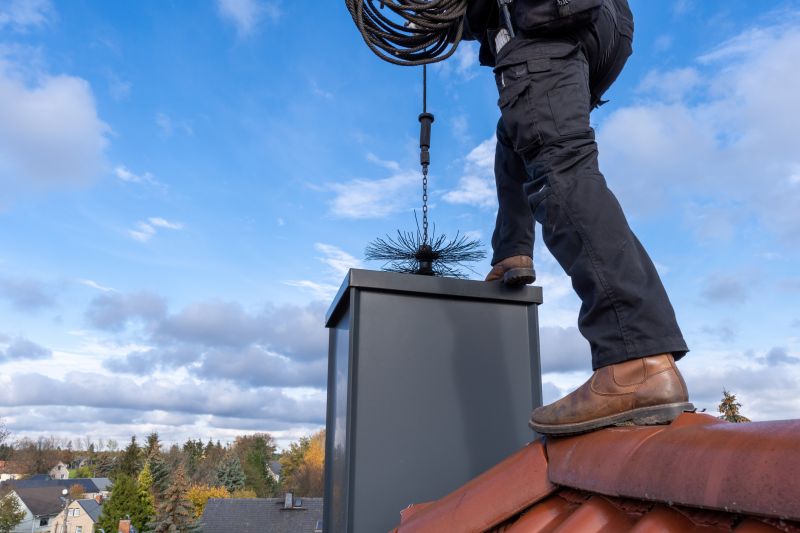
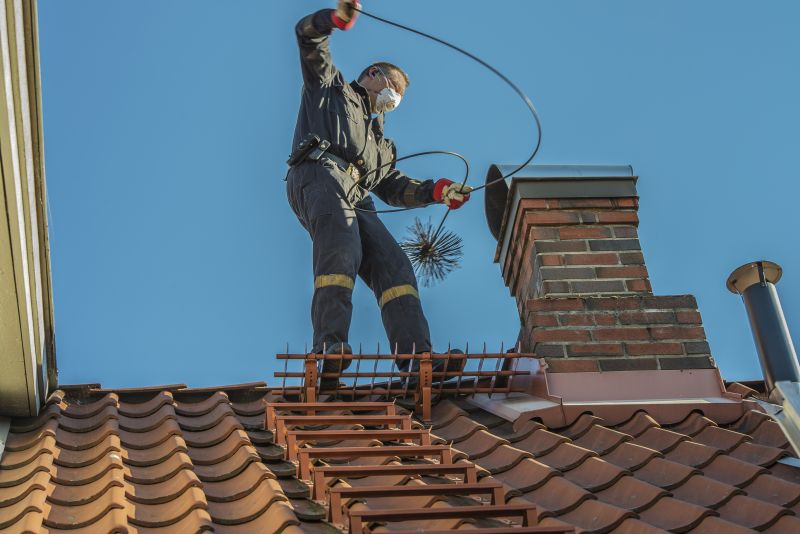
Understanding the importance of chimney sweeping and fire safety explained can help property owners in the area maintain a safe and efficient home heating system. Many residents seek this information after noticing a decline in fireplace performance, experiencing unusual odors, or simply wanting to ensure their chimney is free of creosote buildup and debris. Local contractors who specialize in chimney cleaning and maintenance can provide the necessary services to keep fireplaces operating safely, reducing the risk of chimney fires and improving indoor air quality.
Property owners often look into chimney sweeping services to prevent potential hazards before they become serious issues. Regular cleaning and inspection by experienced service providers can help identify problems early, such as blockages or damage, that could compromise fire safety. Choosing reputable local professionals ensures that the work is done thoroughly and correctly, giving homeowners peace of mind that their heating systems are safe and compliant with safety standards.
Why is chimney sweeping important for fire safety? Regular chimney sweeping removes creosote buildup and debris that can ignite, reducing the risk of chimney fires and enhancing overall fire safety in the home.
How does chimney sweeping contribute to fire safety? It ensures that flammable deposits are cleared from the chimney, allowing for proper venting of smoke and gases, which helps prevent dangerous blockages or fires caused by creosote accumulation.
What should I know about fire safety when it comes to chimneys? Proper chimney maintenance, including regular sweeping, helps prevent the buildup of combustible materials and reduces the chance of fire hazards related to improper venting or debris buildup.
Can professional chimney sweeping improve overall fire safety? Yes, local contractors can thoroughly clean and inspect chimneys, which helps identify potential fire risks early and ensures the chimney operates safely and efficiently.
Why hire a professional for chimney sweeping and fire safety services? Professionals have the expertise to effectively remove hazardous creosote, inspect for potential issues, and provide advice on maintaining fire safety standards in relation to chimneys.
Regular chimney inspections can help property owners identify potential fire hazards early and ensure safe operation of fireplaces and stoves.
Proper chimney cleaning practices can reduce creosote buildup, decreasing the risk of chimney fires and improving overall safety.
Understanding fire safety guidelines allows homeowners to implement safe use habits and know when to seek professional chimney sweeping services.
Scheduling professional chimney sweeping services ensures that flues are thoroughly cleaned and maintained, supporting fire safety and efficient heating.
If you are thinking about chimney sweeping and fire safety explained for a property, this guide is meant to help you understand this topic, the typical project types, and how different options might fit your plans.
When you are ready, you can use the quote form on this page to share a few details about your project. From there, local pros can review the basics and follow up with options that match what you have in mind.